TR
How Food Brands Should Choose a Social Media Agency
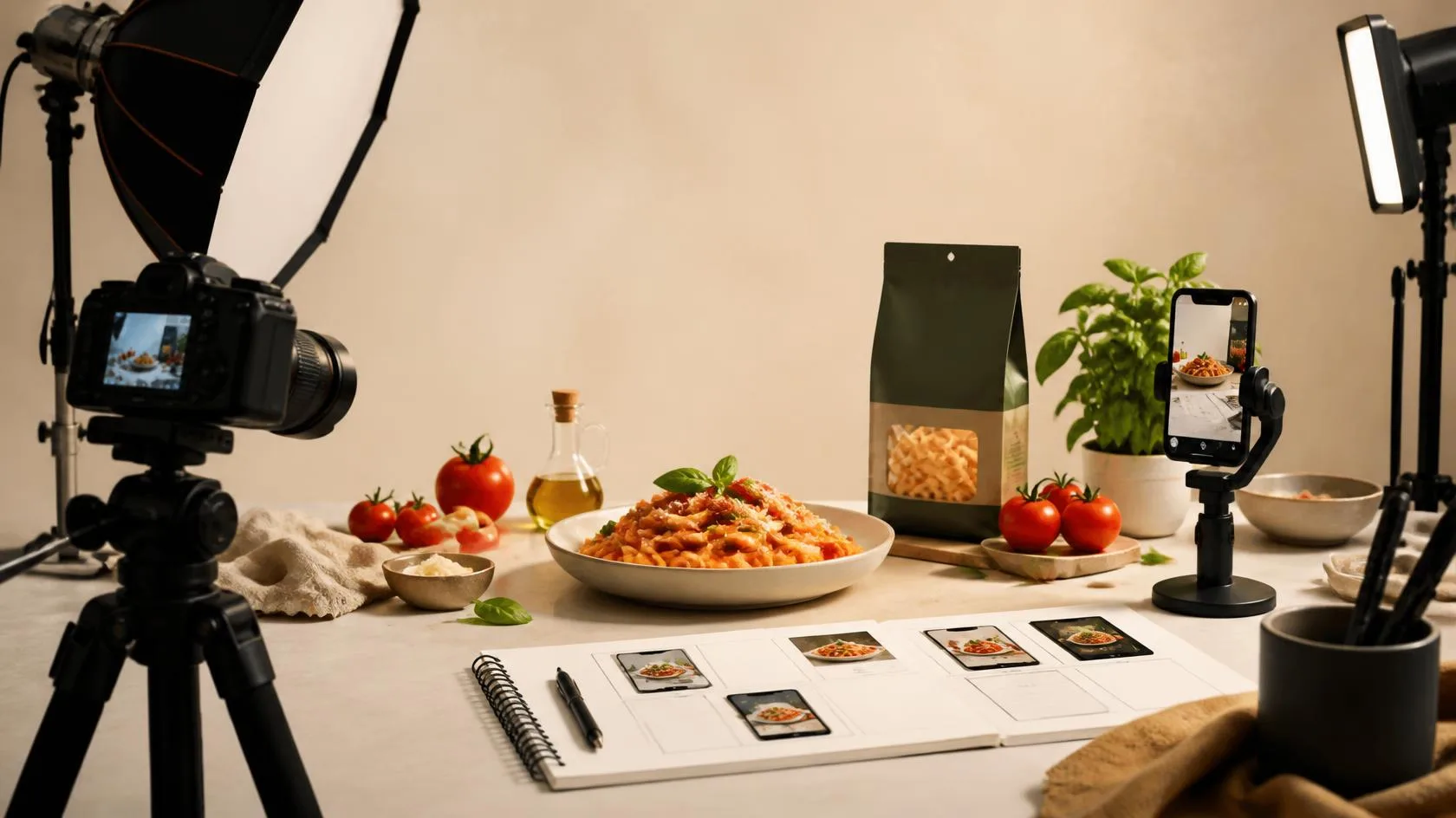
Quick answer: When choosing a social media agency for a food brand, asking "do they design attractive graphics?" is wholly insufficient. In food communication, marketing strategy, creative storytelling, culinary styling, photography, videography, and real-time social behavior must function as an integrated machine.
A food brand rarely needs an agency that simply posts schedules; it needs a specialized creative partner capable of translating physical culinary flavor into digital desire and sustained commercial growth.

1. Start by Interrogating Strategy First
If the opening question at your initial agency pitch is: "How many posts do you want per week?", pause and dig deeper.
Raw posting frequency is not a marketing strategy. A specialized agency should interrogate your commercial foundations:
- What is the core commercial business objective for the upcoming quarters?
- Which specific hero product lines or menu items do we need to scale?
- Who is the precise consumer demographic, and what culinary habits drive their choices?
- How will we visually differentiate your brand from direct competitors?
- Is content designed to drive brand awareness, educate on product usage, or trigger direct reservations and checkout?
- Which recurring content series and episodic formats can be sustained long-term?
High-impact food content does not emerge from random inspiration; it is built on disciplined brand architecture.
2. Demand Sector-Specific Food Production Competence
Managing an automotive account or a SaaS brand is entirely different from directing a food business. Food is inherently sensory and tactile. It melts, wilts, congeals, separates, and loses freshness within minutes under hot studio lights.
An agency that lacks dedicated in-house culinary knowledge will frequently deliver dull, unappetizing content. Evaluate these practical questions:
- Do they have a dedicated culinary studio kitchen, or do they scramble for third-party rentals?
- Do they collaborate with seasoned food stylists and chefs who understand ingredient textures?
- Are they shooting real food, or are they relying on generic stock photography and artificial templates?
- Do they possess tabletop cinema gear capable of macro pours, crisp sizzles, and fluid motions?
3. Distinguish Between Graphic Templates and Native Video
Years ago, posting static Canva templates with promotional text overlays was standard practice. In today's digital landscape, modern algorithms prioritize dynamic, vertical short-form video that demonstrates authentic culinary experiences.
Audiences want to see the cheese pull, the golden crust break, the steam rising, and the sauce emulsifying. An agency that only offers flat graphic design cannot build modern food brand equity.
4. Look for an Omni-Channel Asset Architecture
A sophisticated agency doesn't think in terms of one-off Instagram posts. They design a centralized production system where every shoot generates assets across your entire marketing funnel:
- Organic Social: Engaging Reels, carousels, and stories.
- Paid Performance Ads: Multi-hook ad variations optimized for Meta, TikTok, and YouTube.
- E-Commerce & Web: High-resolution product images and website banners.
- Point of Sale & Menus: Printed collateral, QR menus, and in-store displays.
5. Evaluate Reporting: Business Impact Over Vanity Metrics
A standard monthly report filled with raw impressions and generic likes offers little commercial clarity. Insist on reports that track meaningful engagement metrics:
- Saves & Shares: The true barometer of culinary interest and recipe utility.
- Click-Through Rates (CTR): Traffic driven to menus, reservation systems, or retail listings.
- Customer Sentiment: Qualitative feedback in community comments and direct messages.
- Cost Per Acquisition (CPA): Performance efficiency on paid ad campaigns.
Frequently Asked Questions
Should food brands work with a full-service agency or a boutique culinary studio?
General full-service agencies excel at media buying but frequently outsource food production, adding markups and diluting visual quality. A dedicated food production and strategy studio provides superior sensory craftsmanship and authenticity.
How often should content shoots take place?
Rather than monthly disruptions, the most efficient model is quarterly batch productions that generate 2 to 3 months of evergreen content, supplemented by agile weekly reactive stories.
Can an agency manage both organic social and paid performance advertising?
Yes, and they should. Creative production and performance ad buying should inform each other so that top-performing organic visual hooks are immediately amplified with paid ad spend.
Elevate Your Food Brand's Digital Voice
Connect with Food Art Studio. Let's design a tailor-made social strategy and visual production framework that transforms your culinary products into unforgettable digital experiences.