TR
Food Photographer vs. Production Agency: Which Do You Need?
Quick answer: If your project strictly requires high-fidelity culinary photography with locked recipes prepped by your own kitchen staff, a solo veteran food photographer is an excellent, streamlined solution. However, if your scope encompasses creative concepting, scripted motion video, specialized food styling, multi-platform versioning, and an ongoing content strategy, an integrated production studio or creative agency structure is far more reliable and cost-effective.
When is a Solo Food Photographer the Right Choice?
Partnering directly with an independent commercial food photographer is ideal for:
- Boutique restaurant menu updates where the executive chef manages all plating
- Projects with fully developed brand creative briefs requiring solely optical execution
- Lean, rapid catalog updates focused exclusively on static photography
When Does a Production Agency Become Essential?
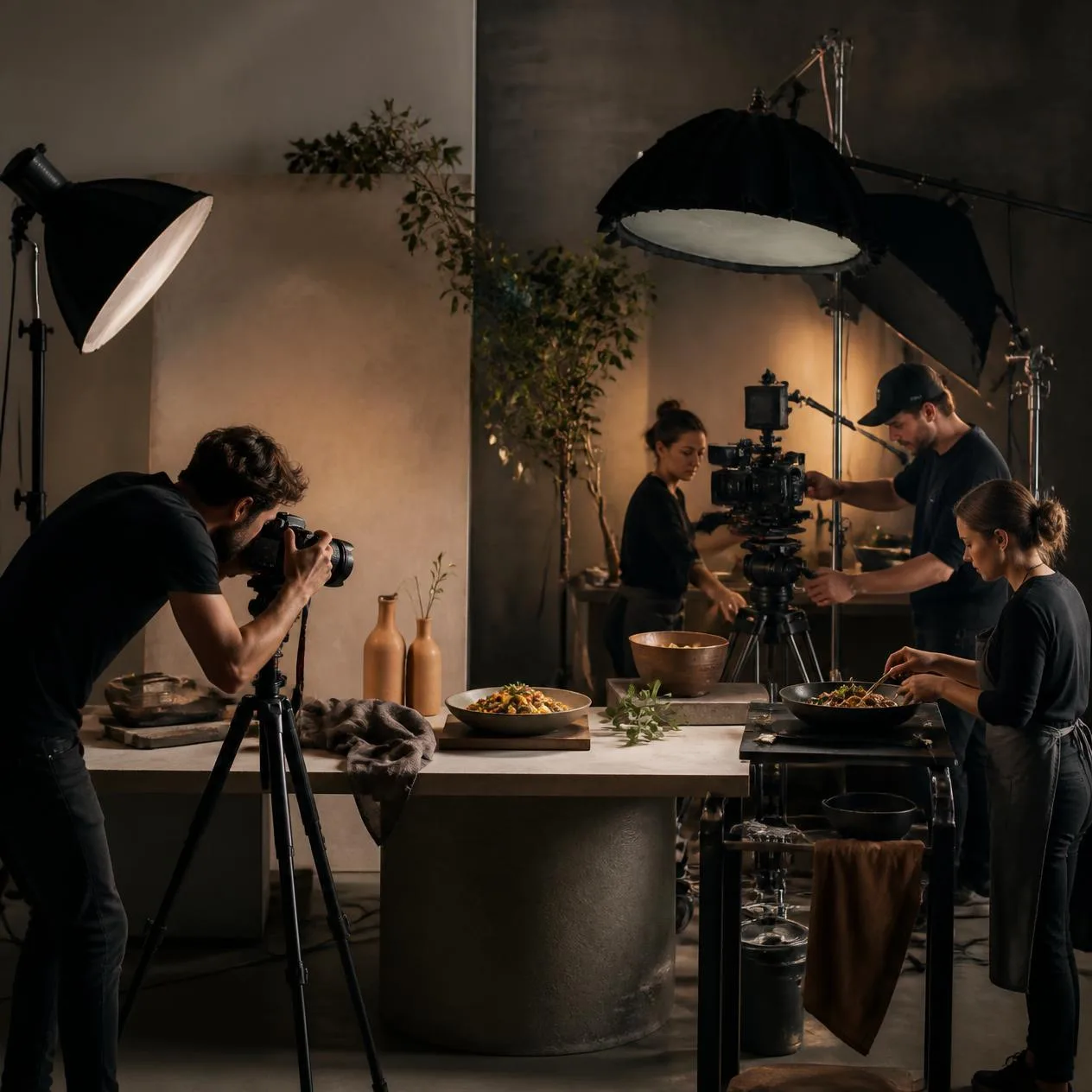
When deliverables expand beyond stills, solo photographers encounter severe operational bottlenecks. An integrated production studio provides vital infrastructure:
- Comprehensive Kitchen & Food Styling Management: Staffing seasoned food stylists and prop curators who control the physical food chemistry on set.
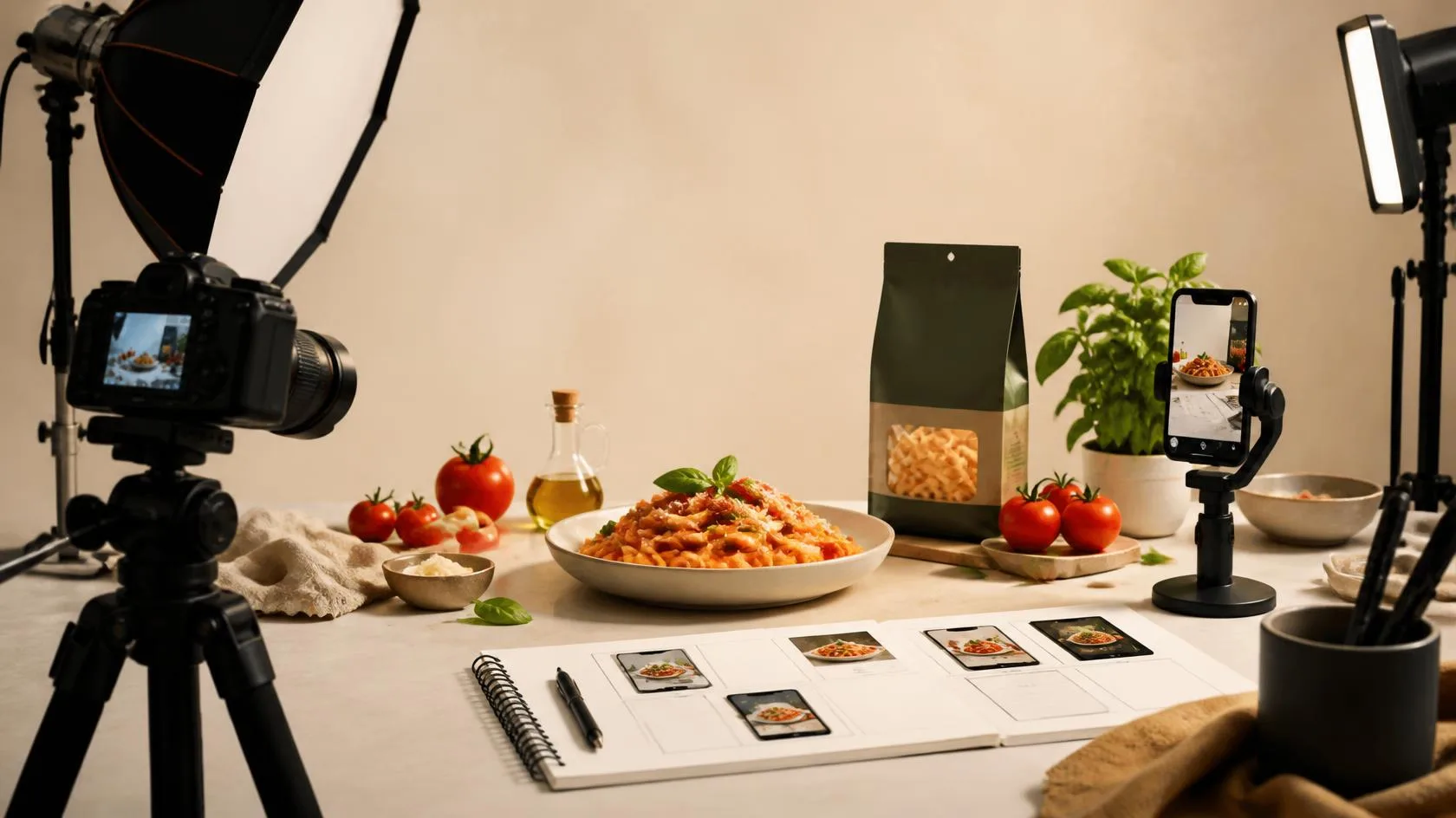
- Synchronized Stills & Motion: Camera crews, audio packages, and lighting design engineered to capture 4K cinematic video and high-resolution stills concurrently.
- Strategic Concepting: Transforming commercial business objectives into compelling visual storylines.
- Multi-Format Post-Production: Editorial cutdowns, platform formatting (9:16, 1:1, 16:9), color grading, and commercial retouching delivered ready to deploy.
Which Model Offers Greater Capital Efficiency?
Contracting a solo photographer initially looks cheaper on paper. Yet when video, specialized food styling, studio kitchen rentals, and motion editors are procured separately, piecing together disconnected vendors inevitably exceeds an agency estimate—while dumping the entire logistical risk onto the brand manager.
4 Diagnostic Questions to Guide Your Decision
- Does the marketing brief demand motion video alongside static stills?
- Who is physically responsible for culinary styling, ingredient sourcing, and propping on set?
- Across how many distinct distribution channels (packaging, web, digital social, POS) will the assets live?
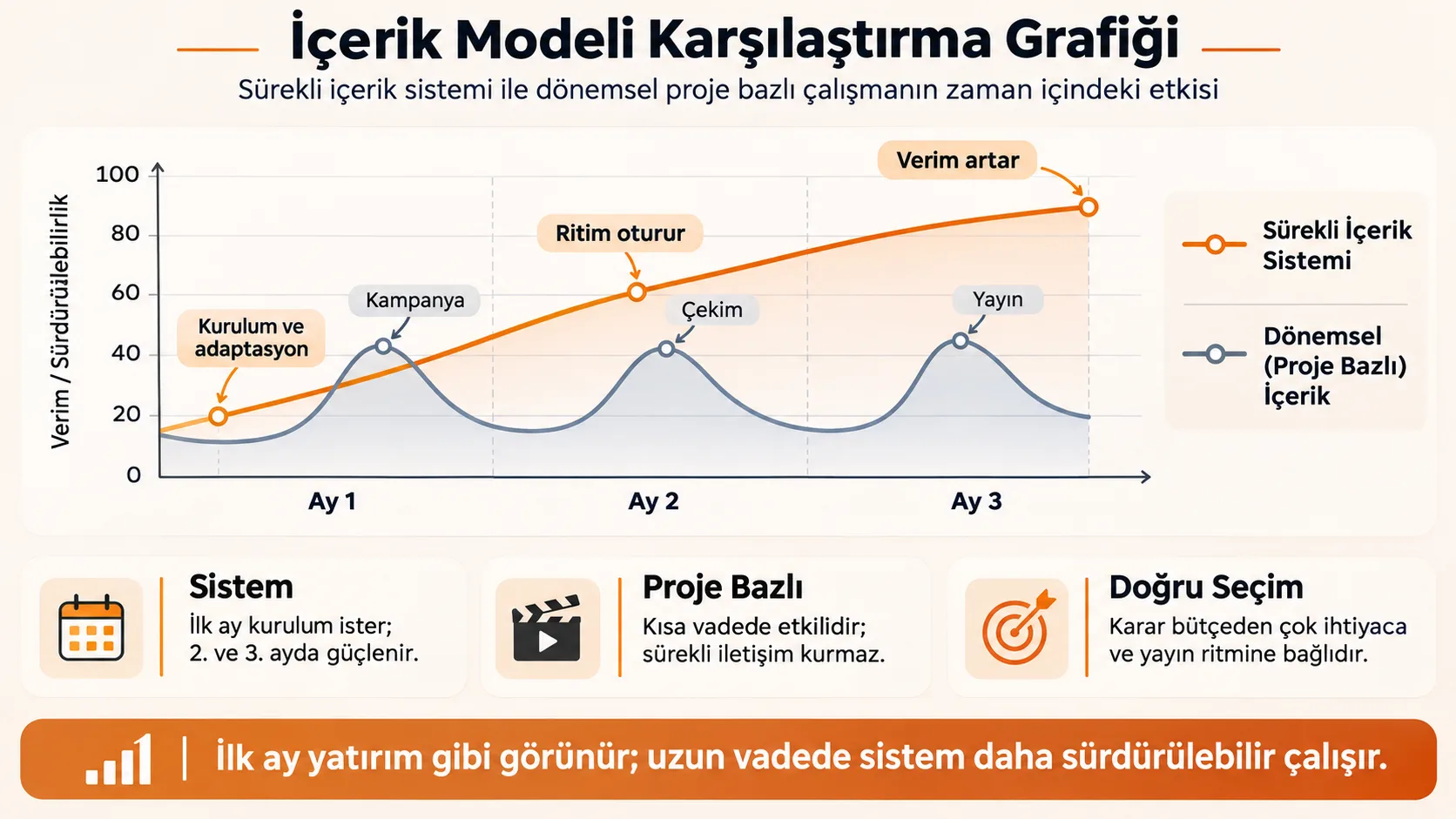
- Is this an isolated ad-hoc assignment, or does the brand require an ongoing, compounding visual system?
Frequently Asked Questions
Is a commercial food photographer identical to a general product photographer?
No. Product photography governs inanimate, rigid manufactured objects (watches, cosmetics, packaging). Food photography governs live, highly volatile organic matter demanding acute understanding of thermal degradation and sensory food chemistry.
Summary
If your goal is capturing a straightforward list of plates, an independent food photographer is your answer. If your goal is scaling your brand, mastering short-form video, and building enduring visual capital, an integrated culinary production studio represents the superior commercial investment.