TR
How to Plan an Annual Food Brand Production Budget
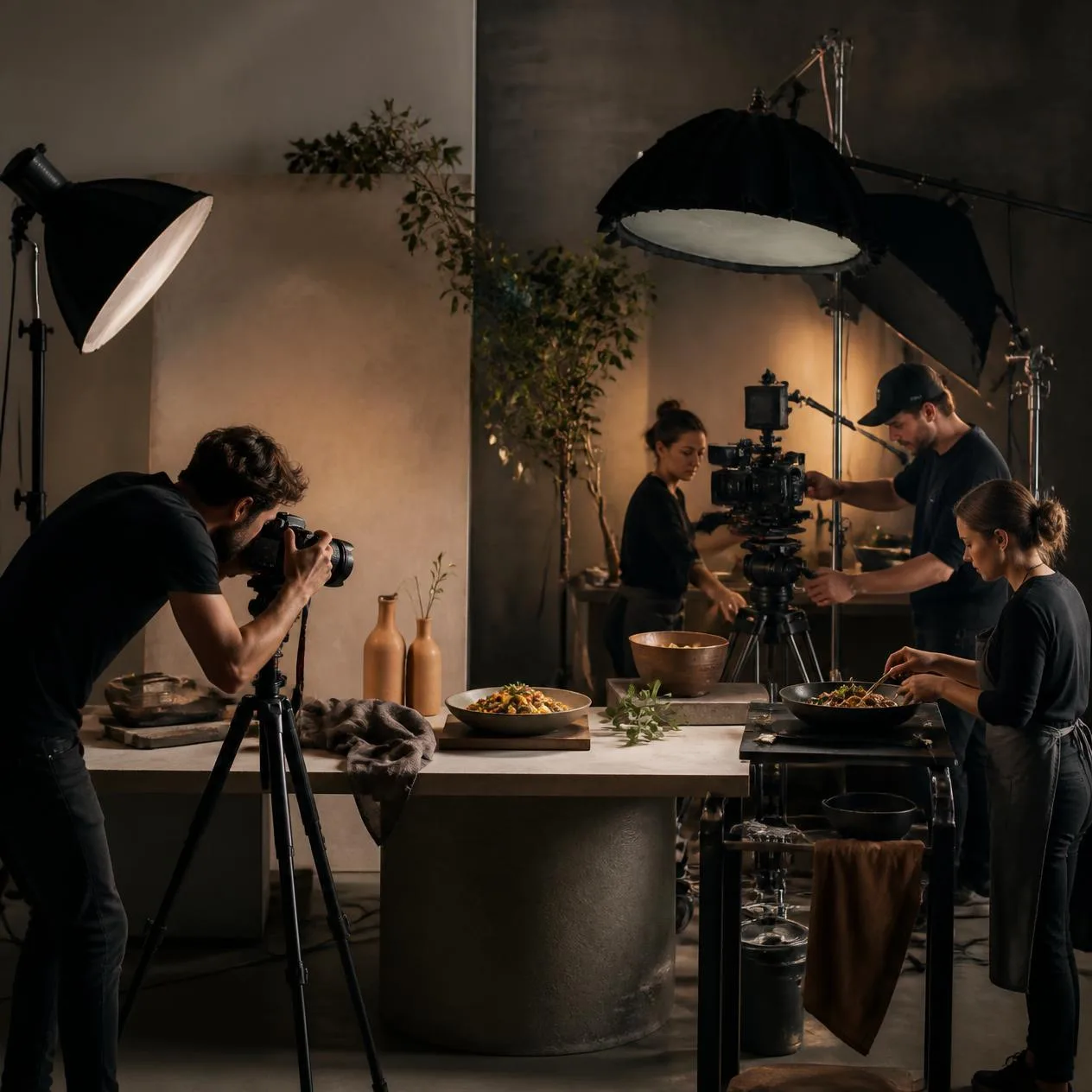
Quick answer: The most cost-efficient way to plan an annual food brand production budget is to avoid treating every piece of content with an identical standard. A tentpole brand launch film, a weekly recipe Reel, and an organic daily Story should not carry the same production overhead.
The proven framework categorizes your annual production into three strategic tiers: Hero, Core, and Always-On, aligned directly with your commercial retail and seasonal sales calendar.
Why Single-Project Planning Wastes 30% of Your Budget
When production is managed ad-hoc project by project, marketing teams fall into a costly, chaotic loop:
- A new product launches — a shoot is hastily arranged.
- A month later, a seasonal holiday arrives — another separate shoot.
- Summer campaign begins — another full crew is assembled.
- The sales team requests horizontal website banners — no horizontal assets exist, requiring reshoots.
Every isolated shoot incurs redundant pre-production, studio rentals, equipment transport, and crew day rates. An annual roadmap consolidates these needs into optimized multi-format production days.
The 3-Tier Production Budgeting Architecture
1. Hero Content (10–15% of Volume, 40–50% of Budget)
These are your marquee brand assets designed for high-reach commercial advertising, TV/cinema, digital billboards, and website hero banners. They require high-end cinema packages, full directing crews, bespoke set builds, and meticulous post-production.
2. Core Content (30–40% of Volume, 30–35% of Budget)
The strategic backbone of your marketing: monthly recipe videos, product usage tutorials, seasonal campaign variations, and packaging assets. These are planned systematically across quarterly tabletop studio sessions.
3. Always-On Content (50% of Volume, 15–20% of Budget)
Agile, community-driven social content, behind-the-scenes glimpses, interactive polls, and conversational stories. Much of this material is derived directly from the B-roll and macro footage captured during Core production days.
How to Structure Your Annual Production Calendar
- Map Commercial Milestones: Identify seasonal peaks (holidays, summer, back-to-school), planned new SKU rollouts, and trade fairs.
- Audit Asset Requirements: Determine the exact aspect ratios (9:16 vertical, 16:9 horizontal, 1:1 square, 4:5 vertical) required by each channel.
- Schedule Quarterly Batch Shoots: Instead of 12 chaotic monthly shoot days, schedule 4 intensive quarterly multi-day productions that capture hero stills and video simultaneously.
- Reserve a 10% Agile Contingency: Allocate a small buffer for unexpected trend-jacking opportunities or rapid product updates.
Frequently Asked Questions
What is the biggest mistake brands make in annual production budgeting?
Allocating the entire budget to a single high-cost commercial film at the start of the year, leaving zero funds for the continuous, high-quality social content required to sustain engagement over the remaining 11 months.
How does batch production reduce overall costs?
By preparing props, styling setups, lighting schemes, and studio spaces once for multiple campaigns, crew utilization is maximized and rental redundancy is eliminated.
Plan Your Annual Visual Strategy with Food Art Studio
Let our culinary production directors audit your upcoming commercial milestones and design a structured, highly profitable annual content production plan.